Turn It Up: The Curious Science of Listening to Your Wine
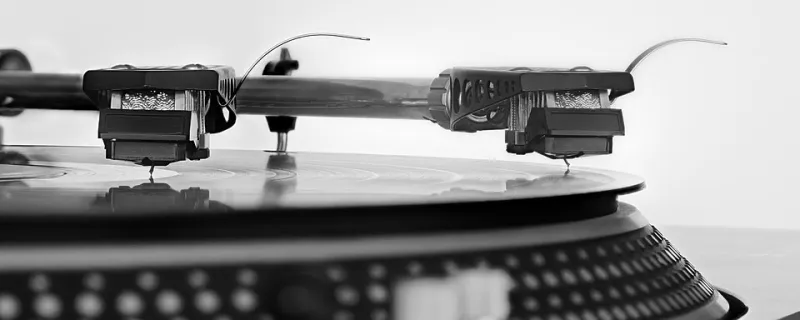
Photo: Franz van Duns, CC BY-SA 4.0, via Wikimedia Commons
There is a moment, familiar to anyone who has hosted a serious tasting, when the room goes quiet. The cork eases free. Glasses are charged. And then someone, usually the host, breaks the silence with a question that has nothing to do with the wine: What should we put on?
It turns out that question is not a distraction from the tasting. It may be part of it.
The Science of Hearing Flavor
Researchers call it crossmodal perception — the phenomenon by which one sense quietly edits the reports of another. Studies out of Oxford's Crossmodal Research Laboratory have shown that identical wines can be perceived as tasting up to ten percent sweeter or more bitter depending on the music playing alongside them. High-pitched tones and bright, percussive arrangements tend to amplify acidity and lightness. Low, sustained notes — a cello line, a slow bass groove — deepen perceptions of body and tannin.
American sommeliers have taken notice. In tastings I attended over the past year in Portland and Austin, more than one professional admitted to curating room music as deliberately as they curate the flight itself. "If I'm pouring a briny coastal white, I don't want brooding strings," one Austin-based sommelier told me. "I want something with air in it. The wine hears the room before you do."
Audiophiles, unsurprisingly, have been saying versions of this for decades. The vinyl revival crowd argues that warm analog playback matches warm, oxidative wine styles; the digital purists counter that precision matters more than texture. Both camps agree on one thing: a bad sound system flattens everything, the way a bad glass does.
Eight Bottles, Eight Playlists
In honor of our eight-armed namesake, here is a starter framework — eight styles, eight sonic moods. Treat these as hypotheses, not commandments. Your palate gets a vote.
1. Crisp coastal Sauvignon Blanc — Indie pop with bright guitar and brisk tempo. Think shimmer and salt spray. Avoid anything minor-key; the wine is already doing that work.
2. Oaked Napa Cabernet Sauvignon — Classic soul and slow-burn blues. Sustained low frequencies mirror the tannic architecture. This is a vinyl-and-firelight situation.
3. American single malt whiskey — Americana and roots rock, unhurried. The grain story pairs naturally with pedal steel and porch-tempo drums.
4. Sparkling wine, anything — Jazz standards, live recordings. The conversational texture of brushed drums and upright bass keeps pace with the bubbles without competing with them.
5. Peated or heavily smoked craft whisky — Ambient and minimal composition. Sparse arrangements leave room for the smoke to move; anything busy makes the dram feel cluttered.
6. Dry rosé — '70s soft funk and summer session recordings. Rosé is a social wine; the soundtrack should sound like a backyard, not a library.
7. Fortified and dessert wines — Solo piano, ideally a little melancholy. Sweetness loves restraint. A single instrument gives the wine the floor.
8. A big, funky natural red — Whatever you love most, played slightly too loud. Low-intervention wines are polarizing by design, and so is great music. The friction is the point.
The Room Matters Too
Beyond genre, acoustics shape the experience in ways most hosts overlook. Hard surfaces — the marble counters and glass tables of the modern American kitchen — bounce high frequencies and can make a delicate wine feel sharp. Softening the room with textiles, or simply moving the tasting to a carpeted den, takes the edge off both the sound and the sip.
Volume is the other variable. Above a certain level, conversation strains, and strained conversation makes tasters rush. The best tasting rooms in the country tend to share an acoustic signature: quiet enough to hear the glass touch the table, alive enough that silence isn't awkward.
A Modest Proposal
None of this requires you to become the person who plays specific tracks at specific moments — though, honestly, we know several people who do, and their tastings are memorable. The simpler lesson is intentionality. The bottle you opened for the occasion deserves a room that honors it, and music is the fastest way to set that room.
So the next time you reach for something special, give a thought to the turntable before the corkscrew. Your palate is listening, whether you realize it or not.