Time in the Bottle: The Collector's Case for Aging Spirits at Home
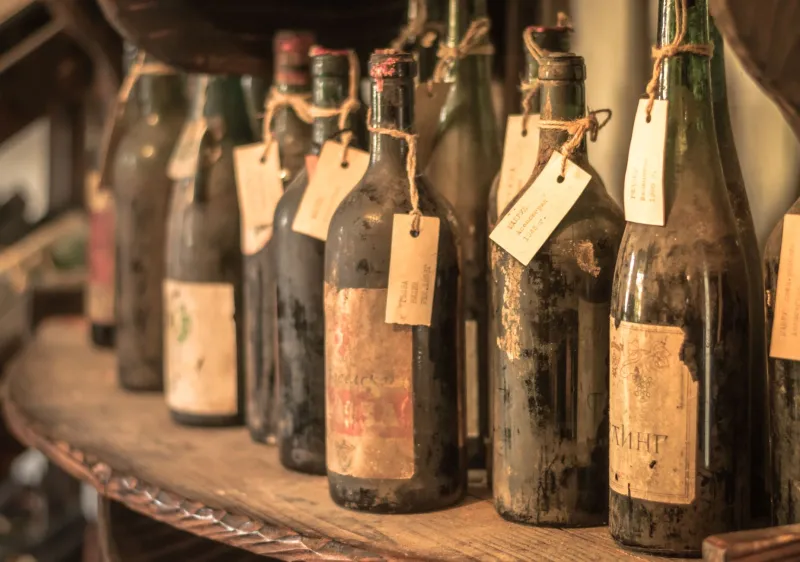
There is a particular satisfaction in opening a bottle you have been guarding for three years — one you purchased young, inexpensive, and full of potential — and discovering that it has quietly become something remarkable. No fanfare, no auction paddle, no allocated release waiting list. Just time, darkness, and a little faith in the process.
For a growing number of American spirits enthusiasts, home cellaring has moved well beyond the realm of wine. Whiskey, rum, brandy, and even certain aged gins are finding their way onto dedicated cellar shelves, not merely as collectibles but as living investments in flavor. The question is no longer whether spirits can benefit from extended home storage. The question is how to do it intelligently — and which bottles are worth the wait.
What Cellaring Actually Does to a Bottle
To be precise about the science: once a spirit leaves the barrel and enters a sealed glass bottle, the dramatic chemical transformations that occur during wood aging effectively cease. Unlike wine, which continues to evolve through micro-oxygenation and ongoing chemical reactions in the bottle, a distilled spirit in glass is largely stable. What changes, then, is subtler — and for many collectors, no less compelling.
Over time, the volatile compounds responsible for harsh or sharp top notes in a young whiskey gradually integrate. Ethanol and water molecules form tighter associations, a process sometimes called "molecular marriage," softening the spirit's perceived heat. An entry-level bourbon that stings the palate in year one may offer considerably more harmony in year four. The transformation is not dramatic, but it is real — and it is the kind of nuance that distinguishes a careful collector from someone who simply hoards.
There is also the matter of the bottle itself. Minor variations in cork quality, fill level, and storage conditions all influence what you eventually pour. Two bottles of the same expression, stored differently, can yield meaningfully different drinking experiences years later. This variability is part of what makes home cellaring feel less like passive accumulation and more like active stewardship.
The Categories That Reward Patience Most
Not every spirit benefits equally from extended cellaring. Certain categories stand out as particularly worthy of the collector's attention.
American whiskey — bourbon and rye especially — tops most lists. Expressions released at relatively young ages (four to six years) from respected distilleries often show genuine improvement after two to four additional years in bottle, particularly when stored correctly. The wood-forward intensity softens, secondary fruit and spice notes emerge, and the finish lengthens in ways that feel earned rather than manufactured.
Single malt Scotch and Irish single pot still whiskeys similarly reward patience, especially bottlings released at cask strength or with minimal filtration. These spirits carry enough raw material — congeners, fatty acids, residual wood character — to continue integrating meaningfully over time.
Aged rum is perhaps the most underappreciated category for home cellaring. Premium expressions from producers in Barbados, Jamaica, and the Dominican Republic, as well as the emerging American craft rum scene, often arrive in the US market at prices that significantly undervalue their long-term potential. A well-stored aged rum purchased at forty dollars can become a genuinely extraordinary pour five years on, at a fraction of what a comparable aged expression would cost at retail.
Armagnac and American brandy round out the category. Both styles carry inherent complexity from extended barrel time, and continued bottle aging can further refine the interplay between fruit, oak, and spirit character in ways that reward the patient collector handsomely.
Temperature, Humidity, and the Enemies of Excellence
The conditions under which you store your spirits matter considerably — perhaps more than most casual collectors appreciate.
Temperature stability is paramount. Dramatic swings between warm and cool cause the liquid inside the bottle to expand and contract, stressing the cork seal and accelerating evaporation. Ideally, spirits should be stored between 55°F and 65°F, in a space that does not fluctuate more than five degrees seasonally. A dedicated wine cellar, climate-controlled basement, or even a well-insulated interior closet can serve the purpose effectively.
Unlike wine, spirits should be stored upright. High alcohol content will degrade a natural cork over time if the liquid remains in constant contact with it, potentially introducing off-flavors and accelerating oxidation. Upright storage protects the cork while still allowing the spirit to rest undisturbed.
Humidity matters primarily as a factor in cork preservation. Extremely dry environments — common in arid climates across the American Southwest — can cause corks to dry out and shrink, compromising the seal. Maintaining relative humidity between 50% and 70% is generally sufficient. A small humidifier in a dedicated storage space costs very little and protects a collection worth far more.
Light is perhaps the most overlooked threat. Ultraviolet exposure degrades color compounds and can alter delicate flavor molecules in ways that are both measurable and regrettable. Dark storage is not a preference — it is a requirement.
Collectors Who've Made the Long Game Work
Across the country, a quiet community of serious collectors has turned these principles into practice with impressive results.
In Nashville, a retired architect began purchasing young Tennessee whiskey and craft bourbon in 2015, storing cases in a temperature-controlled basement wine room. By 2022, he had accumulated a collection whose retail replacement value had more than tripled — not because he was chasing allocations, but because he had been buying thoughtfully and storing impeccably for seven years. More importantly, he reports that the bottles he has opened have delivered some of the finest drinking experiences of his life.
In Portland, Oregon, a restaurateur has built a parallel cellar of aged rum alongside her wine program, purchasing single-barrel expressions from American craft producers and Caribbean importers at release prices that she describes as "almost embarrassingly reasonable." Several bottles she purchased for under fifty dollars in 2018 now command three to four times that on the secondary market — though she insists the greater reward is in the glass.
These are not outliers. They are early adopters of a philosophy that the wine world has long understood: patience is a form of connoisseurship, and time is the one ingredient no producer can bottle for you.
Building Your Cellar With Intention
For those ready to begin, the approach is straightforward. Start with categories you already love and understand. Purchase expressions that show genuine quality at release — not merely hype. Store them properly, track them with a simple log noting purchase date, fill level, and initial tasting notes, and revisit them periodically to observe how they evolve.
Resist the temptation to open everything at once. The cellar's value — sensory and financial alike — compounds only when you allow it to. A collection built over five years of deliberate, patient acquisition will offer rewards that no single afternoon of shopping can replicate.
At Eight Arms Cellars, we believe the most extraordinary bottles are not always the rarest or the most expensive. Sometimes, they are simply the ones you had the discipline to wait for.