New Proof: The Under-40 Distillers Rewriting the American Spirits Playbook
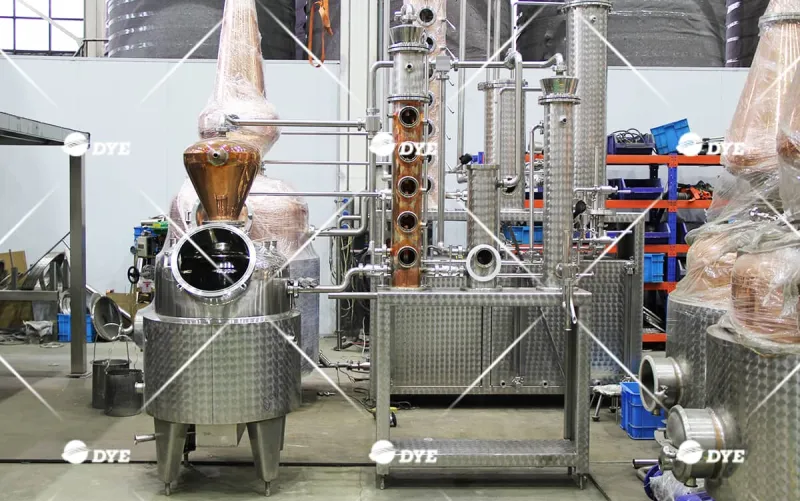
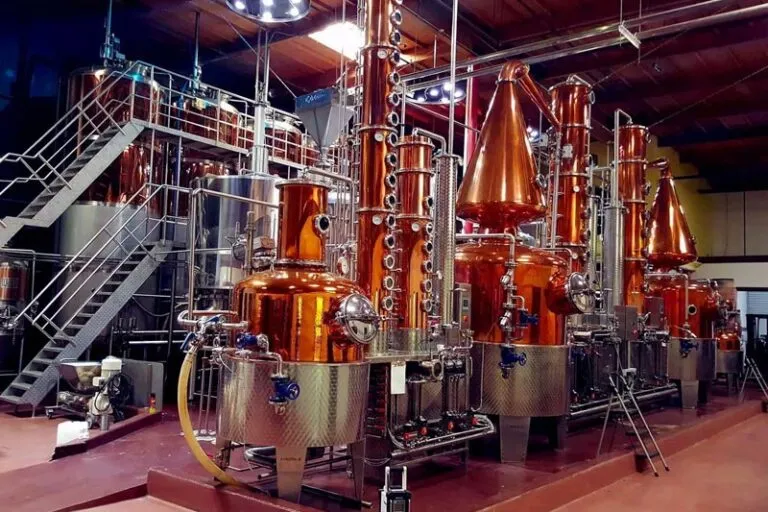
Photo: young craft distiller small batch spirits distillery equipment, via 5mrorwxhkjrkjii.leadongcdn.com
The received wisdom about American craft spirits has long centered on heritage: the older the distillery, the more storied the grain source, the deeper the legacy, the more credible the bottle. That framework served the industry well through its post-Prohibition revival, lending legitimacy to a category that needed grounding. But a younger cohort of distillers is beginning to ask a pointed question: why should the past be the only credential that matters?
A Different Kind of Distiller
The millennial distillers reshaping the American spirits landscape did not, for the most part, grow up in distilling families. Many came from adjacent fields—culinary arts, fermentation science, craft brewing, mixology—bringing with them a set of reference points quite different from those of their predecessors. Where an earlier generation of craft distillers often looked to Kentucky bourbon or Scottish single malt as the standard against which their work should be measured, these newer producers are just as likely to cite a Tokyo cocktail bar, a Oaxacan mezcal producer, or a Nordic fermentation collective as their primary inspiration.
The result is a body of work that feels genuinely plural. Walk into the tasting room of almost any millennial-led distillery operating in the United States today, and you are unlikely to encounter a simple lineup of a white whiskey, a rye, and a bourbon. You are more likely to find a barrel-aged coffee amaro, a rice-based spirit distilled through a modified koji fermentation, a canned ready-to-drink cocktail made with house-produced vermouth, and perhaps a limited release of something that defies categorization entirely.
"I didn't get into this to make the best bourbon in Kentucky," says Maya Okonkwo, co-founder of a small distillery operating out of a converted textile mill in Asheville, North Carolina. "I got into this because I wanted to make things that didn't exist yet. Things that tasted like where I came from and where I was going."
Experimentation as a Business Model
For the distilleries profiled here, experimentation is not a marketing posture—it is the operational core of the business. This distinction matters enormously. A large producer releasing an "experimental" expression is typically doing so within well-established safety parameters, with the resources to absorb a failure. For a small producer operating on thin margins, every batch is a genuine risk, and the willingness to take that risk consistently reflects a deeper philosophical commitment.
Consider the growing category of barrel-aged cocktail syrups—a niche that barely existed five years ago and now occupies meaningful shelf space in specialty spirits retailers across the country. Several millennial-led producers have invested significant time and capital in developing these products, aging complex sweetened preparations of citrus peel, spice, and botanicals in small American oak barrels to create finished syrups that carry genuine wood character. The products exist in a regulatory gray area that requires careful navigation, and they appeal to a consumer who approaches drinking as a form of cooking—someone who wants to build rather than simply pour.
Similarly, the heritage grain movement—long associated with the craft brewing world—has found a passionate advocate in a number of young distillers who are working directly with seed libraries, agricultural historians, and small-scale farmers to source pre-industrial grain varieties for their mashes. The resulting spirits carry a specificity of flavor that conventional commodity grain simply cannot replicate: a rye whiskey made from an open-pollinated heirloom variety grown in the same Pennsylvania county where the grain was cultivated two centuries ago tastes, unmistakably, of a particular place and time.
Molecular Ambitions
At the more technically adventurous end of the spectrum, a small number of young American distillers are applying principles borrowed from molecular gastronomy to their production processes—not as gimmickry, but as a means of achieving specific flavor outcomes with unusual precision.
Rotary evaporation, for example, allows distillers to capture volatile aromatic compounds at low temperatures, preserving delicate notes that would be destroyed by conventional heat distillation. Centrifugal clarification can remove particulate matter from a distillate without filtration, maintaining texture and mouthfeel. Controlled enzyme additions during fermentation can direct the development of specific ester profiles. These are not techniques borrowed from a tradition; they are tools developed in research kitchens and applied to a craft context by producers who see no reason why scientific rigor and artisanal intent should be in conflict.
The spirits that result from these methods are, by conventional tasting standards, genuinely strange—and often genuinely beautiful. A low-temperature distillation of fresh cucumber, green tea, and neutral grain spirit might yield a clear liquid that smells impossibly alive, as though the botanicals had been pressed rather than cooked. Paired with a simply dressed raw oyster or a chilled dish of marinated white fish, it can be revelatory.
Community as Currency
Perhaps the most significant departure this generation of distillers represents is in how they think about their relationship with their customers. The prestige model that has governed premium spirits marketing for decades—built on scarcity, exclusivity, and the implicit suggestion that the consumer is purchasing access to a rarefied world—holds limited appeal for many millennial producers, and even less for their target audience.
In its place, the most successful young distilleries are building communities organized around transparency, education, and shared curiosity. Bottle club members receive not just allocated releases but detailed production notes explaining exactly what was done and why. Distillery tours are designed as genuine learning experiences rather than brand theater. Social media channels are used to document failures as readily as successes, creating a narrative of ongoing experimentation that invites the audience to follow the process rather than simply admire the result.
This approach generates a kind of loyalty that no advertising campaign can purchase. Customers who feel genuinely connected to the story of a spirit—who understand the grain variety, the fermentation decision, the barrel choice—become advocates in a way that transactional consumers never do. They recommend the bottles to friends, return for each new release, and forgive the occasional misstep with the generosity of someone who understands that risk is inherent to serious creative work.
The Road Ahead
The challenges facing this generation of distillers are real and not to be minimized. Regulatory complexity, distribution barriers, and the sheer capital intensity of spirits production create formidable obstacles for any small producer, and the margin for error is narrow. The American spirits market, for all its enthusiasm for craft products, remains dominated by a handful of large producers whose marketing budgets dwarf the annual revenues of most small distilleries.
And yet the energy in this corner of the industry is unmistakable. The young distillers remaking American spirits are not waiting for permission or precedent. They are building something genuinely new—rooted in craft, driven by curiosity, and accountable to a community of drinkers who have come to expect, and celebrate, the unexpected. At Eight Arms Cellars, we raise a glass to the proof they are offering.