Gathered Around the Bottle: How Membership Tasting Clubs Are Transforming the American Home Cellar
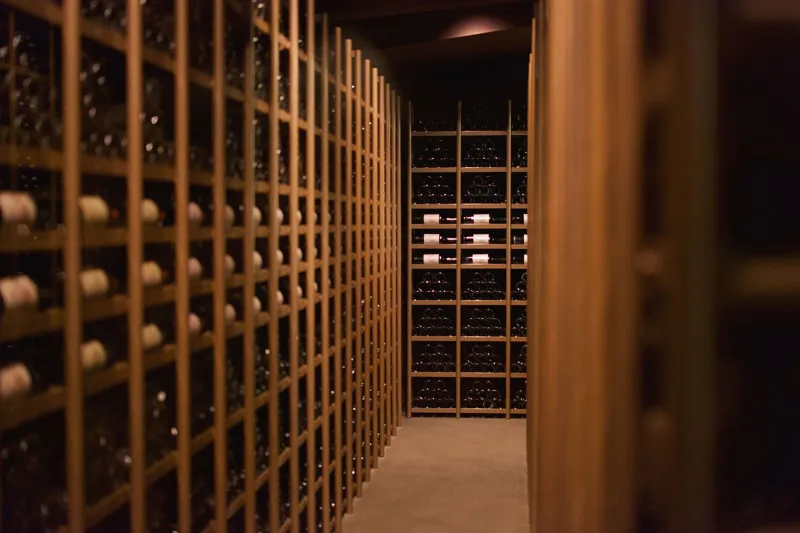
There is a particular kind of confidence that comes from knowing what is in your cellar and, more importantly, why it is there. For decades, that confidence belonged almost exclusively to collectors who had accumulated years of solitary study, expensive missteps, and the kind of industry connections most drinkers never develop. Today, a growing network of membership-based tasting clubs is quietly redistributing that knowledge — and reshaping the collections of everyday American drinkers in the process.
From Portland, Oregon, to Asheville, North Carolina, these communities are doing something that no algorithm or subscription box has fully managed: they are combining the intimacy of shared discovery with the intellectual rigor of genuine curation. The result is a new model for building a home cellar, one that is as much about collective wisdom as it is about individual taste.
The Architecture of a Modern Tasting Club
Not all tasting clubs are constructed alike. Some operate as loosely organized monthly gatherings among friends, each member contributing a bottle within a designated theme. Others function as formal membership organizations with tiered dues, curated allocations, and access to producers who do not sell through conventional retail channels.
The most sophisticated clubs occupy a middle ground. Consider the model employed by organizations such as The Meridian Circle, a Denver-based group that charges an annual membership fee in exchange for quarterly tasting events, a curated allocation of six to eight bottles per cycle, and access to a private digital library of producer notes and vertical tasting records. Members receive guidance on how each bottle fits within a broader collecting strategy — not simply what to drink tonight, but what to hold, what to pair, and what to seek out independently.
"We are not trying to tell people what to like," explains one of the club's founding members. "We are trying to give them the vocabulary and the context to figure that out for themselves."
This curatorial philosophy distinguishes the better clubs from mere subscription services. Where a subscription box delivers bottles, a well-run tasting community delivers understanding.
The Psychology of Communal Discovery
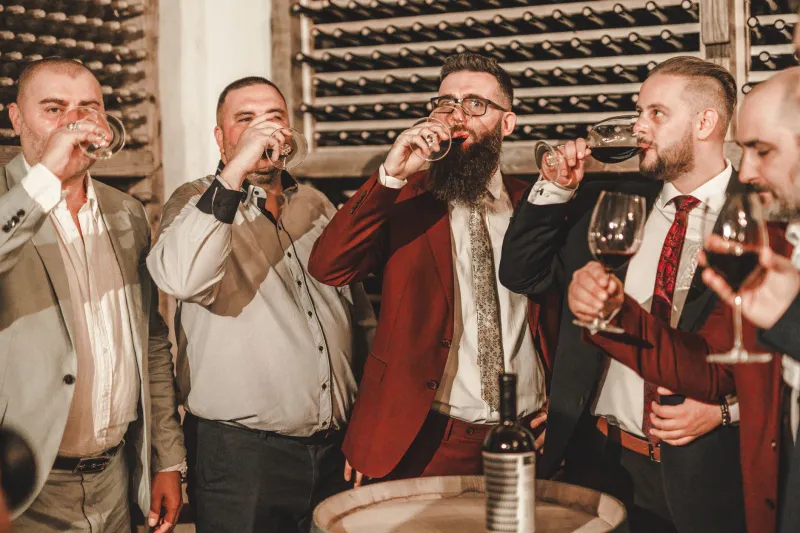
There is compelling evidence that shared tasting experiences produce more durable impressions than solo encounters with a bottle. When a wine or spirit is encountered in community — discussed, debated, and evaluated alongside others — the memory of it becomes richer and more retrievable. Flavor associations are reinforced through conversation. Disagreements about a wine's character invite closer attention to the glass.
This dynamic has been observed by club organizers across the country. In Nashville, a group called The Sipping Society has grown from eleven founding members to more than ninety over the past four years, largely through word of mouth. Its founder, a former sommelier, attributes the club's retention rate to what she describes as "the conversation that happens after the pour."
"People remember the night they argued about whether a Willamette Valley Pinot was showing too much oak far longer than they remember drinking it alone at home," she notes. "The disagreement is part of the education."
For collectors, this communal dimension also provides a valuable corrective to the insularity that solo collecting can encourage. A cellar built entirely on personal preference, without the friction of other perspectives, tends to develop blind spots. A tasting club introduces constructive challenge — the sommelier who finds your prized acquisition overrated, the fellow member who directs your attention toward a region you had dismissed.
Regional Clubs, Regional Identity
One of the more compelling aspects of the tasting club movement is the degree to which regional identity shapes each group's character. Clubs in California's wine country tend to focus heavily on domestic producers, often developing direct relationships with small-production wineries in Sonoma, the Santa Cruz Mountains, and the Sierra Foothills. Clubs in the Mid-Atlantic, by contrast, frequently emphasize European producers alongside a growing roster of Virginia and Maryland wineries that are beginning to attract serious national attention.
In Chicago, a club called Cellar & Table has built its identity around the intersection of wine and spirits, hosting joint sessions that explore how a single producer's terroir expresses itself across multiple categories. A recent evening paired aged Armagnac with late-harvest Gascony whites, tracing a common thread of oxidative character through both. "We want our members to think in systems," the club's lead curator explains, "not just in individual bottles."
This cross-category approach reflects a broader shift in how American enthusiasts are thinking about their collections. The home cellar of 2025 is increasingly likely to contain a considered selection of American single malts or aged rye alongside its Burgundy and Barolo. Tasting clubs that honor this pluralism tend to produce more versatile and intellectually curious collectors.
Building Your Own Cellar Through Community
For readers considering joining — or launching — a tasting club, several practical principles emerge from the experiences of established groups.
Define the scope before the first pour. The most durable clubs establish clear parameters early: geographic focus, price range per bottle, frequency of meetings, and the balance between structured education and informal enjoyment. Ambiguity on these points tends to produce friction down the line.
Invest in a shared record. Whether maintained digitally or in a physical notebook, a communal tasting log transforms a series of pleasant evenings into a genuine reference resource. Over time, it becomes one of the club's most valuable assets — a record of collective palate development that no individual member could have produced alone.
Cultivate relationships with independent retailers and importers. The clubs that consistently access the most interesting bottles are rarely relying on mainstream retail channels. A trusted relationship with a local independent wine shop or a regional importer who specializes in small-production estates opens doors that no subscription service can replicate.
Embrace disagreement as a feature, not a flaw. The sessions that generate the most spirited debate — about a wine's readiness, a spirit's character, or a producer's direction — tend to be the ones members remember longest. A culture that welcomes divergent assessments will almost always produce better tasters than one that defers to consensus.
The Cellar as Collective Achievement
There is something worth acknowledging in the fact that some of the most thoughtfully assembled home cellars in America today were not built through solitary expertise, but through the accumulated insight of a community. The bottles that line those shelves carry with them the memory of the evening they were first encountered, the voices that debated their merits, and the curator who explained why they deserved a place in the collection.
That provenance — social, intellectual, communal — is not a diminishment of the collector's achievement. It is, if anything, an enrichment of it. The craft beverage world has always been at its most vital when knowledge moves freely between producers and drinkers, between veterans and novices, between the cellar and the table. Membership tasting clubs, at their best, are simply the latest and most democratic expression of that tradition.