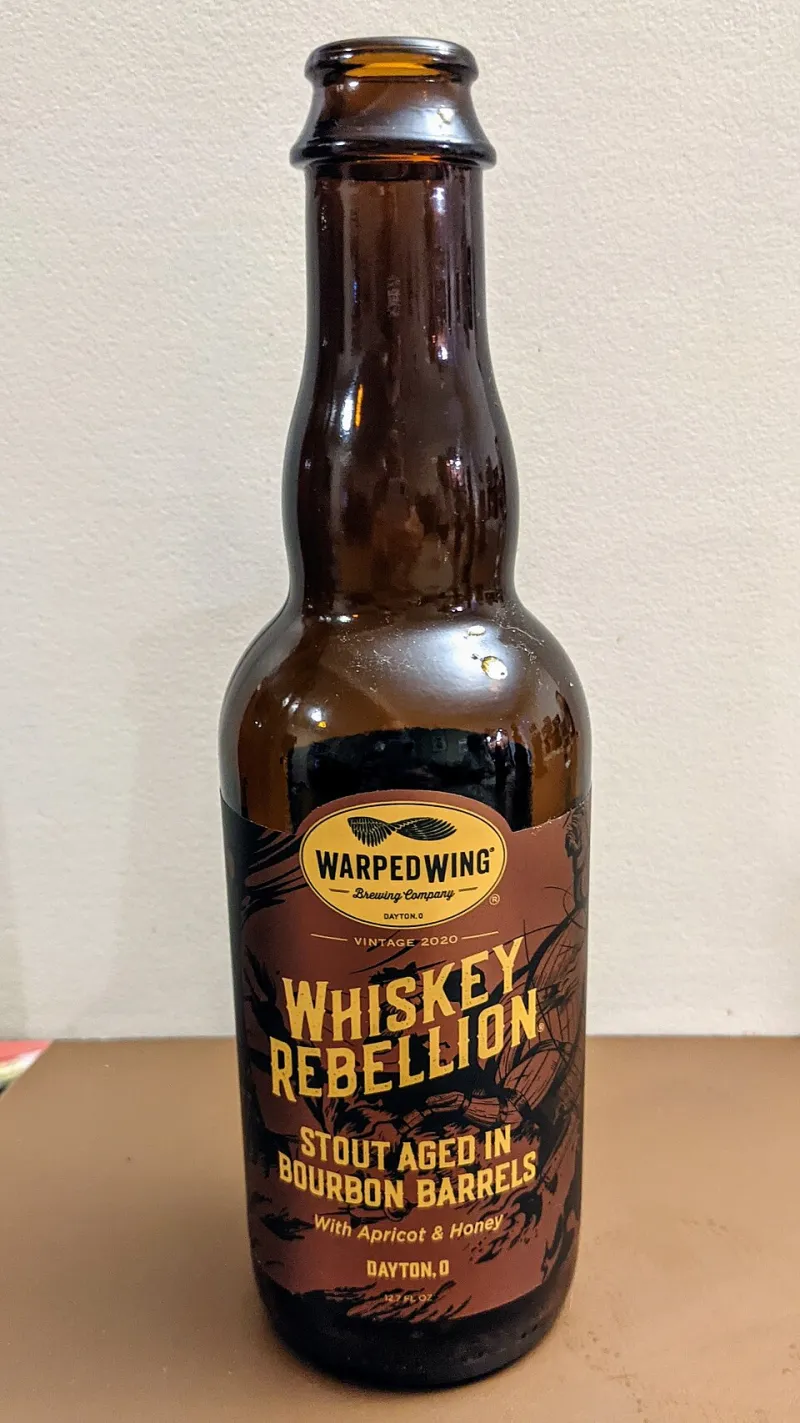
Fewer Bottles, Fiercer Devotion: The Craft Producers Who've Turned Scarcity Into a Philosophy
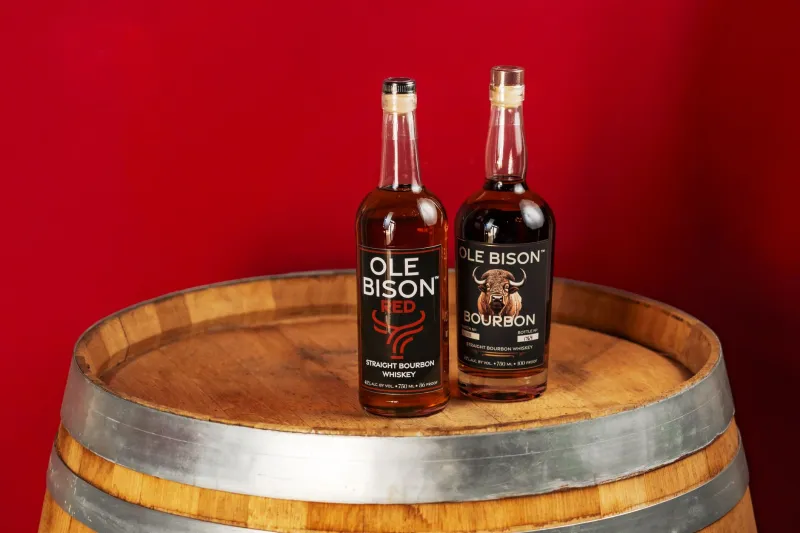
There is a particular kind of anticipation that arrives with a mailing list notification. For thousands of collectors across the United States, a subject line reading Allocation Now Open can interrupt a Tuesday afternoon with the urgency of something far more consequential. The bottle in question may number only three hundred. It may sell out before dinner. And that, as the most astute small-batch producers have come to understand, is precisely the point.
Scarcity in the craft beverage world is no longer merely a byproduct of small production runs. For a select group of distillers and winemakers, it has become a deliberate, carefully calibrated philosophy — one that shapes everything from harvest decisions and barrel selection to the very language printed on a back label.
When Less Becomes More
The economics of limited releases are, on the surface, straightforward. Constrained supply meeting fervent demand allows producers to command prices that would be untenable for a widely distributed product. A small Kentucky distillery releasing two hundred bottles of a single-barrel rye finished in Amontillado casks can price that expression at three or four times the cost of its flagship label without apology. The market, populated by collectors who have been cultivating relationships with that producer for years, will absorb it.
But reducing this phenomenon to a pricing strategy misses the deeper architecture at work. The producers who have most successfully built cult followings through limited releases tend to share a conviction that scarcity, when it is authentic, communicates something essential about the nature of craft itself.
"We don't limit our releases to create desire," explains one Pacific Northwest distiller whose annual single-malt expressions routinely generate waitlists measured in months. "We limit them because the whisky genuinely isn't ready in larger quantities. The scarcity is a consequence of the standard, not the other way around. People sense that difference."
That distinction — between manufactured scarcity and scarcity as honest reflection of process — is one collectors have grown increasingly sophisticated at detecting. In an era when consumers research provenance with considerable diligence, a limited release that cannot be supported by a credible production narrative tends to collapse under scrutiny.
The Architecture of Belonging
What limited releases accomplish beyond pricing leverage is the construction of community. Producers who manage this well do not merely sell bottles; they extend membership in something that feels exclusive without being exclusionary in spirit.
Winery mailing lists in California and Oregon have long operated on this principle. Certain Willamette Valley pinot noir producers release single-vineyard bottlings only to list members who have demonstrated consistent purchasing histories. The effect is not simply to reward loyalty but to create a shared calendar — a rhythm of releases that organizes the year for a devoted cohort of enthusiasts.
Distilleries have borrowed and adapted this model with notable ingenuity. Some producers now hold annual release events that function as pilgrimages, drawing collectors from across the country to rural locations not otherwise associated with tourism. The release becomes an occasion, and the occasion becomes a story that collectors carry with them and retell. Word of mouth, in this context, is not incidental to the marketing strategy. It is the marketing strategy.
"When someone drives six hours to pick up their allocation and then spends the afternoon talking to our distiller about the grain sourcing, they don't just buy a bottle," observes a Tennessee-based craft spirits producer who has structured his annual limited release around a small harvest gathering. "They become an ambassador. They go home and open that bottle at a dinner party and they tell the whole story. We couldn't buy that kind of advocacy."
Authenticity Under Pressure
The success of scarcity-driven models has, predictably, attracted imitation. The American craft beverage landscape now includes producers who have constructed the aesthetic of a limited release — the hand-numbered bottles, the wax dips, the spare typographic labels — without the underlying production philosophy to justify it. Collectors, particularly those who have been engaged with the space for a decade or more, have grown adept at distinguishing between the two.
The risk for established producers is different but equally real. As a cult following grows, so does the pressure to expand production in ways that would dilute the very qualities that generated devotion in the first place. Several small distilleries that achieved early acclaim through genuinely limited single-barrel expressions have faced difficult decisions as demand outpaced capacity. Those who expanded too aggressively often found that the alchemy of their original appeal dissipated along with the scarcity.
The producers who navigate this tension most gracefully tend to be those who have defined their limited releases with precision — not simply as small quantities, but as expressions that are structurally incapable of being scaled. A whisky drawn from one specific barrel cannot be replicated once that barrel is empty. A wine from a single half-acre block is bounded by geography. These natural constraints lend limited releases a credibility that no amount of deliberate restriction can fully manufacture.
Pairing the Experience
For those fortunate enough to secure these bottles, the question of how to approach them is one Eight Arms Cellars takes seriously. Limited releases, by their nature, reward contemplative engagement rather than casual consumption. A single-barrel bourbon finished in port pipes, released in an edition of one hundred and eighty bottles, deserves a setting that honors the specificity of what is in the glass.
Such expressions often carry flavor profiles that diverge meaningfully from a producer's standard range — more angular, more surprising, occasionally more demanding. A cask-strength release may require patience: time in the glass, perhaps a few drops of water, a willingness to return to it over the course of an evening as it opens and evolves.
As accompaniments, the most characterful limited releases tend to assert themselves against rather than alongside food. A heavily sherried single malt paired with a wedge of aged Comté or a square of dark chocolate becomes a conversation between equals. A natural-process wine of unusual intensity — the kind that a small California producer might release in a numbered edition of four hundred cases — can transform a simple charcuterie spread into something genuinely memorable.
The Deeper Proposition
What the most compelling limited releases ultimately offer is not rarity for its own sake but rather a form of access — to a specific moment in a producer's creative history, to a particular season's character, to a decision made in a cellar or a rickhouse that will not be repeated in quite the same way. The bottle becomes a document.
For collectors who have built relationships with producers over years, each new limited release is less a transaction than a continuation of an ongoing dialogue. The producer communicates something about where their craft has led them. The collector, by seeking out and preserving that expression, signals that they are paying attention.
In a market that grows louder and more crowded with each passing year, that quality of mutual attention — producer to process, collector to producer — may be the most valuable thing a limited release conveys. Not the number on the bottle. Not the price on the secondary market. But the quiet, durable sense that something rare and considered has passed between two parties who both understood its worth.